Between Sessions
The Aspiring Musician's Gripe with Oversaturation
A musician's anxious look at what happens when recording tools, release platforms, and algorithmic feeds make creation easier than discovery.
June 16, 2026 / 4 minute read
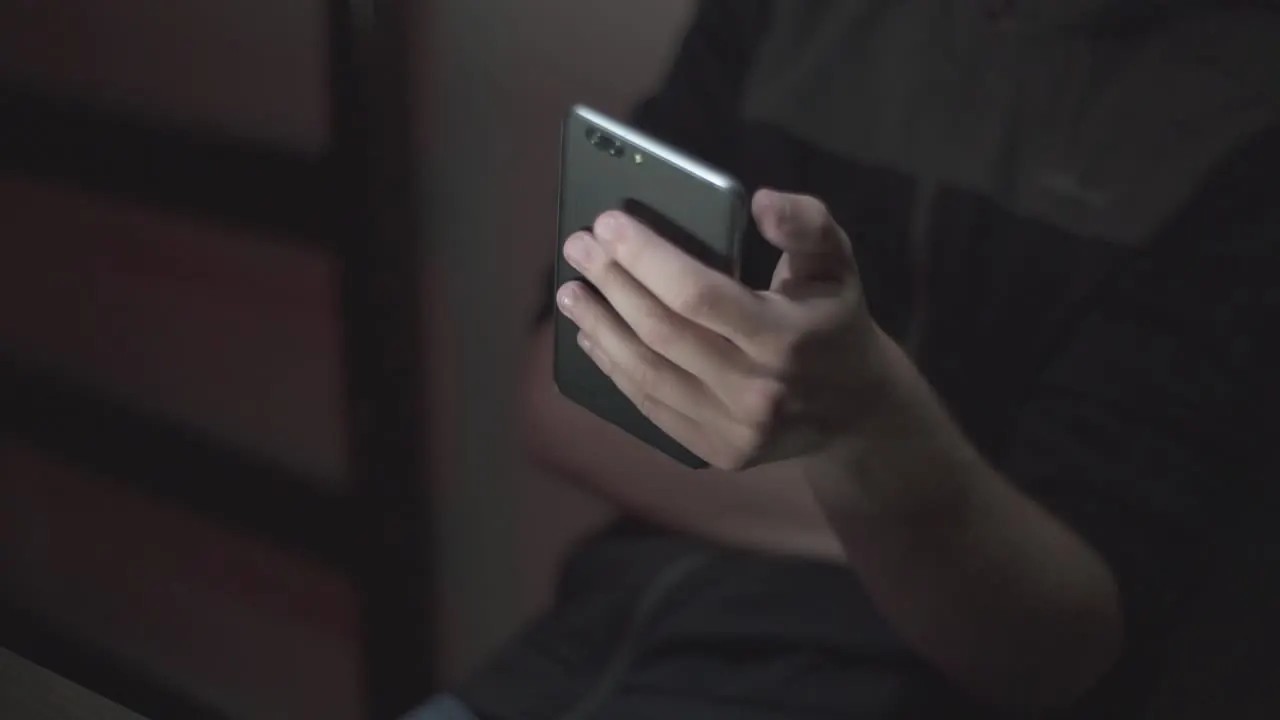
One idea I return to often is that there is simply too much of everything nowadays.
Not long ago, I wrote about how remarkable it is that nearly anyone can access a digital audio workstation from the palm of their hand. The barriers to creating music have fallen dramatically. Recording equipment is cheaper, software is more accessible, and distribution platforms allow artists to release music worldwide with a few clicks.
That's a wonderful thing. The downside, however, is that everyone and their mother can now release an EP from their basement. Which brings us back to the problem: competition.
My Instagram feed has recently become a nonstop stream of advertisements from indie bands and solo artists trying to break through. Most of them aren't bad. In fact, many are genuinely talented. Yet after scrolling through enough of them, you start to wonder, "if everyone's doing it, how do you stand out?"
I don't have the answer. Believe me, I wish I did. What interests me more is understanding how we arrived here. I remember reading Andrew Wrigley's account of George Michael and the early days of Wham! One story that stood out described the duo biking from record label to record label with demo tapes, hoping someone would give them a chance. When you break that story apart, a few things become obvious.
First, they physically had to go somewhere. Today, an artist can identify hundreds of labels online, find contact information in minutes, and send submissions to all of them before lunch. While that's undeniably efficient, it also means labels are flooded with more music than ever before. The sheer volume of submissions makes it increasingly difficult for promising artists to get noticed. At the same time, the explosion of independent labels and music services has created a landscape where not everyone offering guidance actually knows what they're doing.
The second detail worth examining is the cassette itself. Creating a professional recording once required specialized equipment, technical knowledge, studio access, and a significant financial investment. Today, many of those barriers have disappeared. You don't need expensive analog gear. You don't need a major studio. In some cases, you don't even need collaborators. Anyone can make music, and anyone can release it.
Again, this isn't necessarily a bad thing. In fact, it's one of the greatest victories technology has delivered to artists. Creative expression is no longer reserved for those with industry connections or financial resources. A teenager with a laptop can now create work that reaches listeners across the globe. The challenge is that when everyone gains access to the same tools, standing out becomes exponentially harder.
Art occupies a unique position in this conversation because it differs from most other professions. When artificial intelligence enters business environments, it often automates repetitive tasks that improve efficiency. In music, however, technological advancements don't simply affect workflows. They affect the ability of artists to be seen and heard.
Musicians aren't just competing for jobs. They're competing for attention. That's a much more difficult resource to acquire. It makes me find the entire situation bittersweet. On one hand, it's incredible that so many people can express themselves creatively and find communities around their work. There are countless artists today who would never have had a chance to share their music twenty years ago. But, on the other hand, I can't help but wonder how many extraordinary musicians have been buried beneath the weight of the algorithm. How many genuinely groundbreaking artists exist right now, creating incredible work that never reaches the audience it deserves?
We'll never know. Oversaturation isn't unique to music. Nearly every field becomes more competitive as access expands. Music just happens to feel more personal because every song represents somebody's passion, somebody's story, and often years of dedication.
If there's any lesson to take away from all of this, it's a simple one: Start now. If you truly believe you have something worth sharing, don't wait for the perfect moment. The competition isn't getting smaller. Every year, the tools become more accessible, the barriers become lower, and the number of voices fighting for attention grows larger.
The world may be crowded, but that doesn't mean there's no room left. It simply means you'll have to fight harder to be heard.