
Featured / Artist Spotlight
Why Vampire Weekend Can't Be Replicated
From "Diplomat's Son" to "Classical", Vampire Weekend's genius is in making strange combinations of sounds, references, and production choices feel unmistakably their own.
June 15, 2026 / 5 minute read
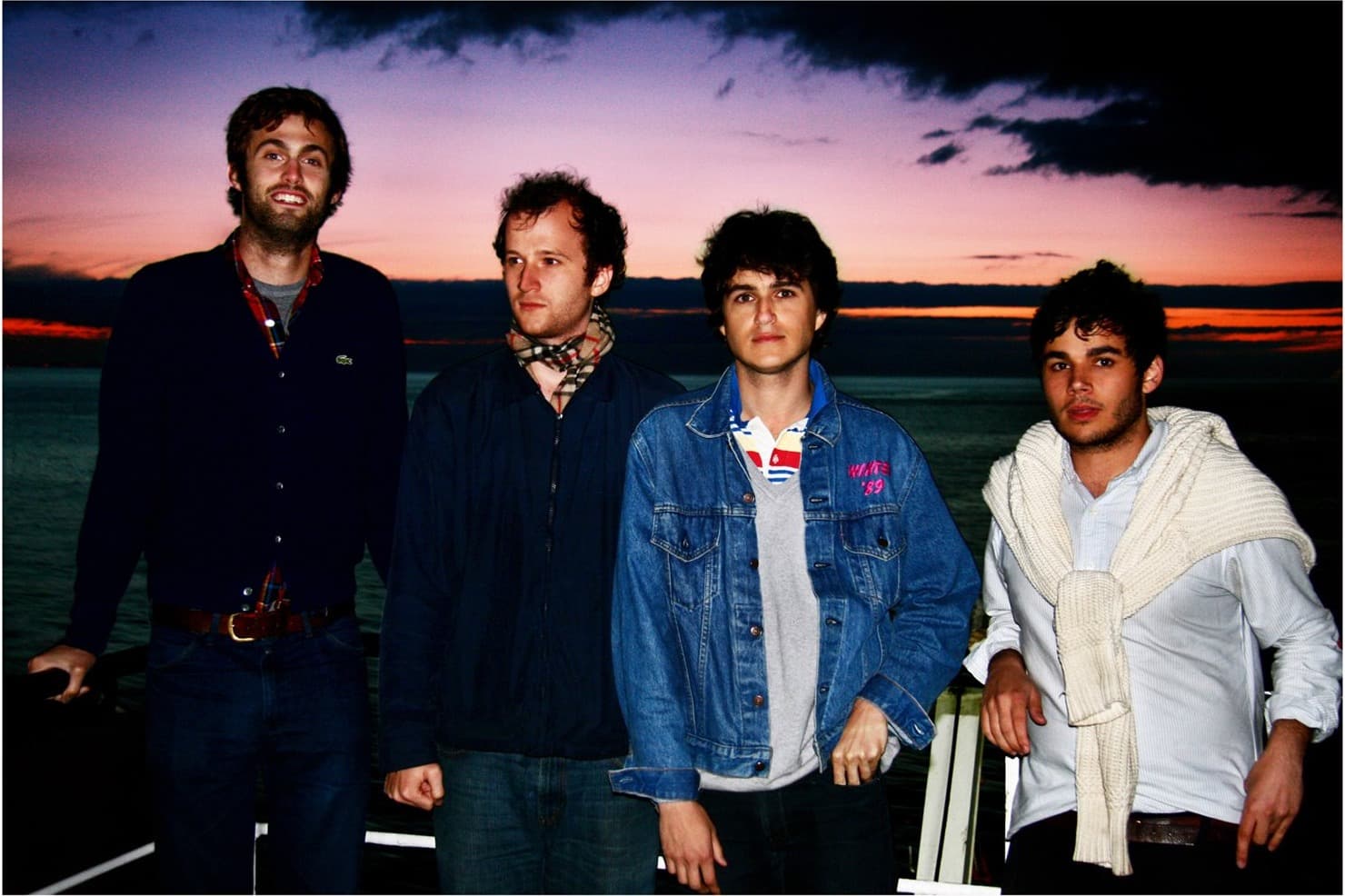
When I look back at my personal top five songs of all time, I always try to pinpoint what makes them so special. The one thing I've found they all have in common is that there simply isn't another song quite like them. That idea is perfectly embodied by the song that sits atop my list: "Diplomat's Son" by Vampire Weekend. I could spend hours talking about that track alone, but it feels more interesting to explore what makes Vampire Weekend such a unique band in the first place.
My dad played a huge role in shaping my early music taste. Artists like Arctic Monkeys, The Strokes, and Cage the Elephant laid the foundation for the sounds I gravitate toward today. Yet somehow, the band he played most often was the one I appreciated the least. As a kid, Vampire Weekend usually earned an eye roll from me.
For the longest time, I simply didn't understand what they were doing. "M79" is an orchestral indie rock song that suddenly sucker-punches you with reverb-drenched guitar in the middle of a verse. "Classical", one of the standout tracks from Only God Was Above Us, feels simultaneously polished and rough around the edges, pairing upright bass, piano, and strings with abrupt cuts and playful transitions.
The more time I spent with their music, the more I realized that trying to make complete sense of everything happening was missing the point. Vampire Weekend thrives in the space between ideas that shouldn't work together - but somehow do.
Vocal pitch shifting isn't new. Orchestral arrangements aren't new. Sampling isn't new. But layering an M.I.A. sample over an overdriven drum machine on "Diplomat's Son" - a song from the second album of a band often dismissed as "preppy Ivy League indie rock" - reshapes all the listener's prior expectations, had the rest of the album not already done so.
What resonates with me isn't simply that these moments are surprising within the context of Vampire Weekend's catalog. It's that they consistently find combinations that nobody else would think to try. That also highlights the importance of great production. A producer's job isn't just to make a song sound good, it's to understand what a song is trying to become before it fully exists, and I've found few people embody that better than Rostam Batmanglij.
As a founding member, producer, and songwriter, Rostam helped define the sound of Vampire Weekend's first three albums before officially departing the band in 2016. While he has continued collaborating with the group in select capacities, his fingerprints are all over the band's most distinctive work.
Listening back, it's easy to hear the details that made those records feel different. Synth parts blipping slightly out of sync. Drums suddenly become crunchy and distorted as they climax. Small production choices appear for a few seconds and disappear before you've fully processed them.
The entire band deserves credit for creating such a singular identity, but another essential piece of the puzzle is Ezra Koenig's songwriting, more specifically: what on earth is this guy talking about?
Whether he's singing about cryptographs, obscure historical and literary references, or giving a f*ck about an Oxford Comma, Koenig writes lyrics that often feel completely detached from conventional pop songwriting. Half the time I have no idea what he's referring to, and much to his credit, that's part of the appeal.
That same originality extends into the concepts behind the songs themselves. There's the Cape Cod vampire invasion narrative of "Walcott". The spoken-word love story embedded inside "Finger Back". The sprawling, almost novel-like storytelling of "Diplomat's Son". Vampire Weekend consistently finds ways to make familiar themes feel entirely their own.
To be clear, there are plenty of songs in their catalog that don't connect with me. That's been true on every album they've released. What's equally true is that every album contains at least one song I become completely obsessed with, often for reasons I struggle to explain.
I've grown to love Vampire Weekend so much that I've seen them twice on the same tour - a total first for me. The funny thing is that I still don't know where I'd tell a new listener to start. Everyone seems to latch onto something different. One person's favorite song is another person's skip.
That said, "A-Punk" remains a pretty safe introduction.
The title of this article, Why Vampire Weekend Can't Be Replicated, isn't meant to suggest that nobody else can make experimental music. Plenty of artists do. The difference is that experimental music can still become predictable. With Vampire Weekend, I genuinely never know where they're going next. And I don't mean in terms of genre. Plenty of bands jump between genres. Vampire Weekend operates on an entirely different axis. Their unpredictability comes from the way they combine ideas, references, sounds, and production choices into something that feels unmistakably their own.
In an era where influence spreads faster than ever and trends are constantly recycled, Vampire Weekend remains one of the few bands that still sounds like a category of one. And that's exactly why they can't be replicated.
Read Next
Artist Spotlight
Mustard Service and the Art of Not Caring
June 16, 2026 / 3 minute read
Featured / Between Sessions
The Most Boring Tool in Music Might Be the Most Important
June 16, 2026 / 7 minute read
Featured / Between Sessions
Why the Laptop is Replacing the Professional Studio
June 16, 2026 / 5 minute read